
STORIES & IDEAS

A teacher’s perspective.
A journalist’s curiosity.

Classroom-tested ideas on history, writing, student journalism, and helping young people think for themselves.

Teaching at Brimmer and May SchoolIn the classroom. In the conversation.
David Cutler
David CutlerEducator. Writer. Always learning.
Ideas rooted in the classroom.

THE COLLECTION

Explore the collection

143 stories & conversations
140 more stories

PBS NewsHour

Educator Voice: Generative AI has no place in my classroom

I’ve never been anti-technology. I’ve even written about ways AI can help students when it’s used with care. But my first real encounter with ChatGPT-5 stopped me cold. This is different. This is dangerous. And I’m finally sounding the alarm. Since ChatGP

Independent School / NAIS

Independent Spirit: David Cutler

History and Journalism Teacher Brimmer and May School Chestnut Hill, Massachusetts In the 2002 Brimmer and May yearbook, my fellow seniors designated me as the “most likely to return to my alma mater as a history teacher.” And they were right. My classroo

Edutopia

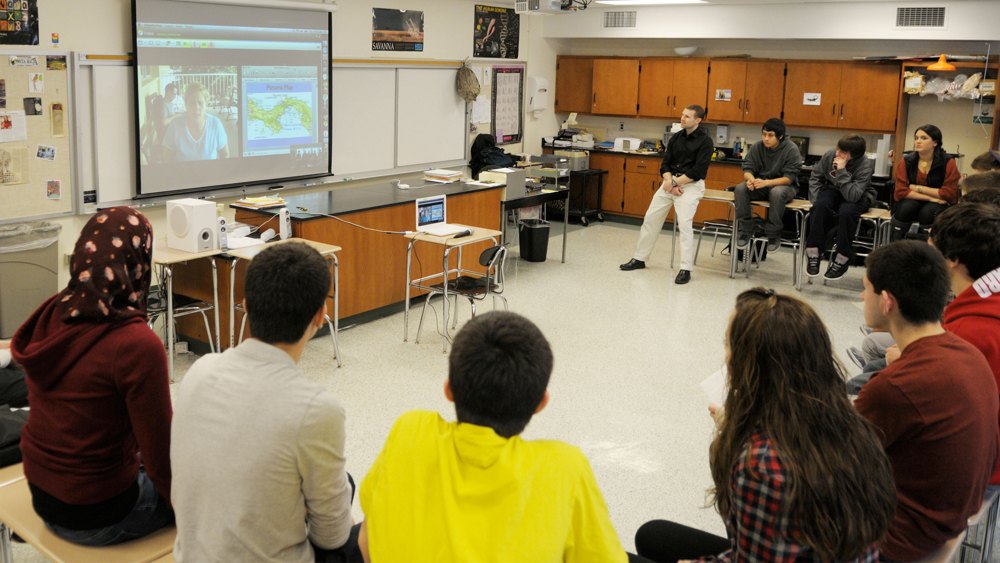
Zooming With Historians to Reinforce Student Learning

During the height of the pandemic, like countless other high school history teachers, I struggled to keep my students focused on their learning. When the world is in the grip of a once-in-a-century health crisis, it’s understandable that minds will wander

Medium

Treasured Historians Benefit from the Journalist’s Craft; Schools Should Take Note, and Students Should Listen

“I see a direct connection between what I learned in journalism and what I’m doing now,” says Pulitzer Prize-winning author Jon Meacham. However much I struggled, only when I found my passion for news reporting did my success in the humanities begin to soar — so much so, in fact, that I now teach journalism to my own history students, hopeful that they too will benefit from the combination.

Edutopia

Fostering Students’ Academic Integrity

When I encounter academic dishonesty in my classroom, I experience a complex blend of emotions: disappointment, sadness, and a profound sense of collective responsibility. These situations prompt introspection, compelling me to question my effectiveness a

Edutopia

Making Learning Meaningful and Lasting

Even after eight years of teaching history, I struggle with helping my students retain and make effective use of their learning. Several years ago, a returning senior asked if she could retake the final exam in my United States history course in September. She had earned a solid "A" just three months earlier, but after a long and eventful summer, she wanted to know how much she remembered.

Edutopia

Teaching Why Facts Still Matter

“You may think you are prepared for a post-truth world, in which political appeals to emotion count for more than statements of verifiable fact,” writes Margaret Sullivan, media columnist for The Washington Post. “But now it’s time to cross another bridge—into a world without facts. Or, more precisely, where facts do not matter a whit.”.

Edutopia

Why I Teach Journalism in My History Classes

the first rough draft of history—reinforces information gathering, effective writing skills, and audience engagement. In high school, I struggled to write clear, concise prose. My command of structure was minimal, and I didn’t make effective use of sources to inform my analysis. I also had difficulty differentiating between summary and analysis, much to the chagrin of my teachers, who worked diligently to help me hone my writing.

The Atlantic

The New Teachers' Aides: Superman and Iron Man

As a journalism and history teacher at an independent school near Boston, I’m not too proud to admit that I use comic books in my classroom. When we cover World War II, my students analyze the inaugural March 1941 cover of Captain America by Joe Simon and Jack Kirby, which shows super-soldier Steve Rogers deflecting an attack while knocking out Adolf Hitler.

The Atlantic

High School History Doesn't Have to Be Boring

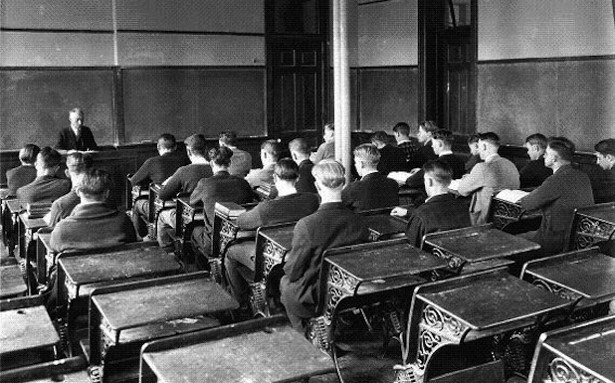
It’s not news that for over 100 years, history has been taught as little more than a callous exercise in regurgitation and rote memorization, with teachers rewarding how much information students can cram into their already stuffed heads. But as we go farther into the 21st century, with changes almost too numerous to fathom, I find it mindboggling that any teacher would still treat history class as boring preparation for a quiz show.

The Atlantic

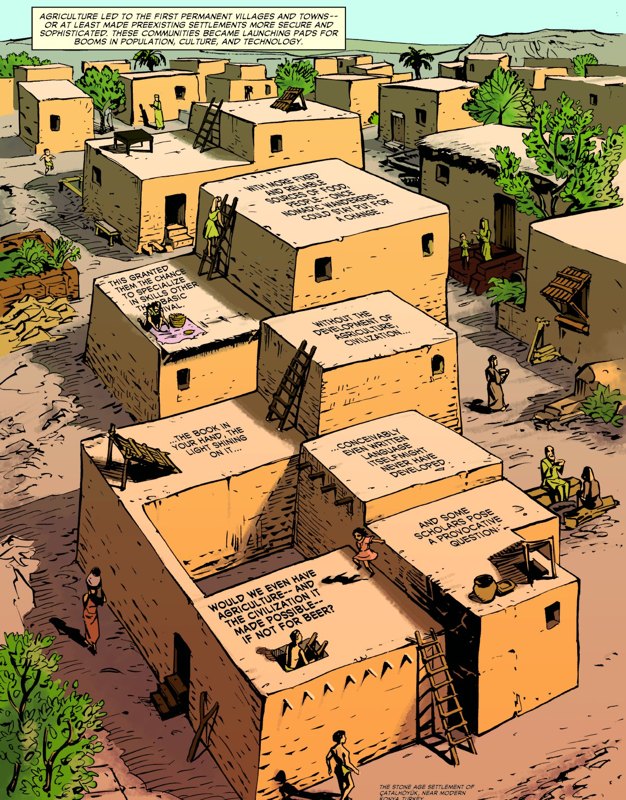
Down With Textbooks

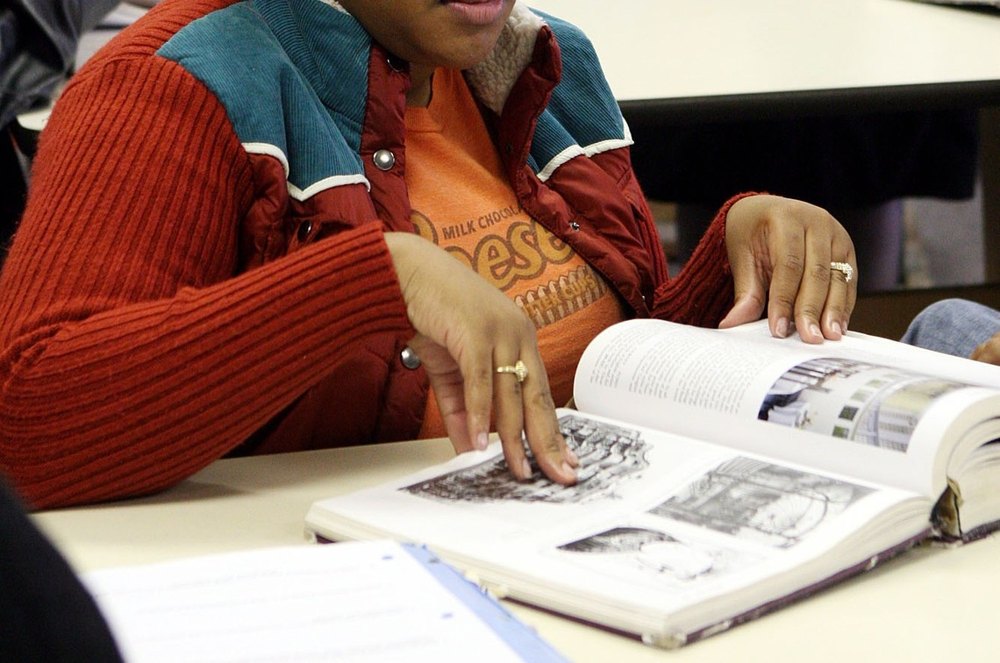
When it comes to teaching history, nothing destroys student interest faster and more completely than a heavy reliance on textbooks. During my first three years of teaching high-school history I would see students’ eyes glaze over as we reviewed from a 1,0

Showing 12 of 140
David Cutler at Brimmer and May SchoolTHE CLASSROOM IS WHERE IT STARTS.

ABOUT DAVID

Teaching is the work.
Curiosity is the throughline.

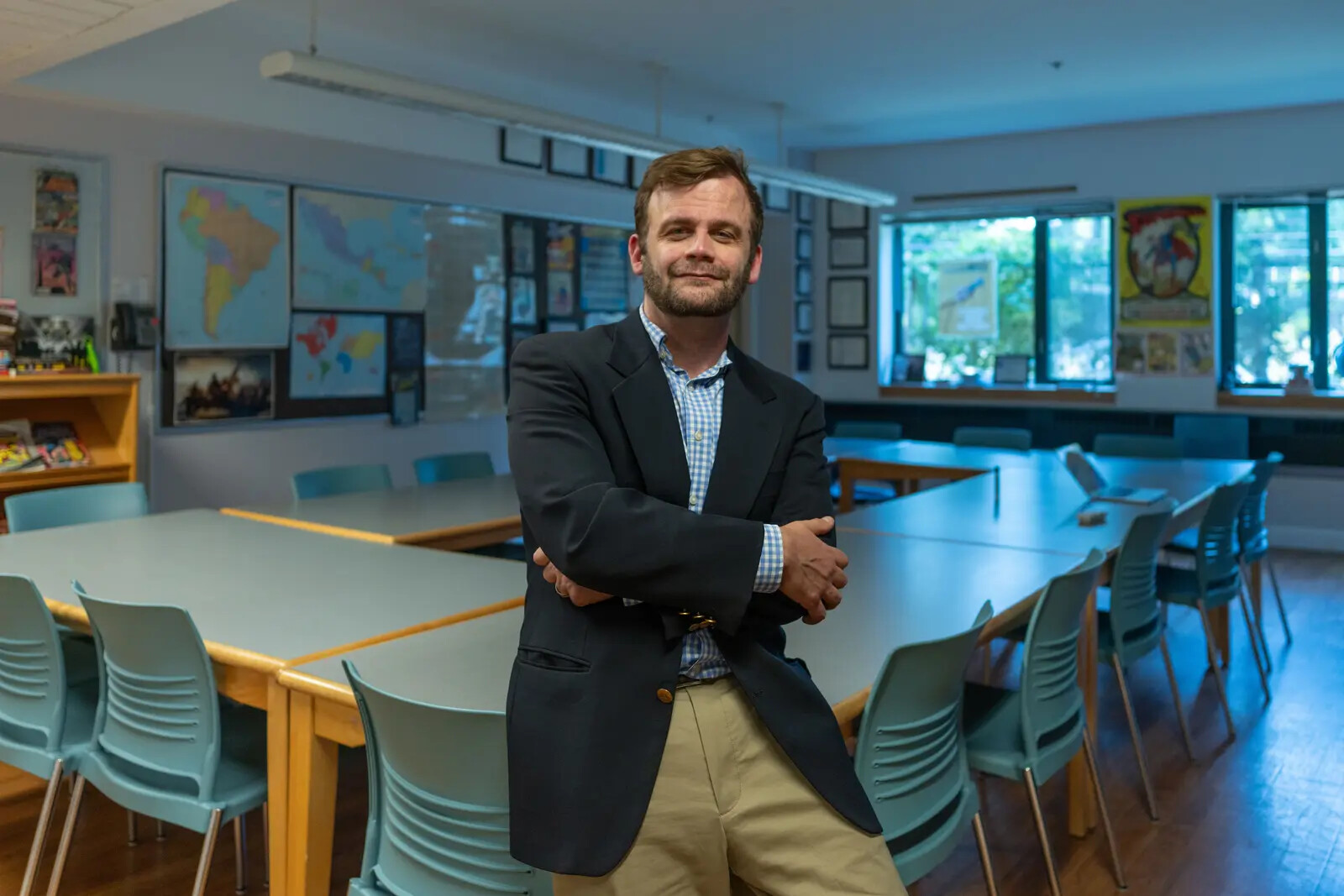
David Cutler teaches American History, Latin American History, Journalism, and AP United States Government and Politics at Brimmer and May School in Chestnut Hill, Massachusetts. He also serves as Assistant Cross Country Coach.

He advises The Gator, the school’s award-winning student news site, and serves as founder and executive director of the Private School Journalism Association. He is also a board member of the New England Scholastic Press Association.

His writing explores education, history, and the work of helping young people think for themselves. His perspective is rooted in the daily experiences of an active classroom teacher and in the voices of the students he teaches.

Brimmer and May School
69 Middlesex Road
Chestnut Hill, MA 02467

RECOGNITION

Major honors

View LinkedIn profile
The GatorBRIMMER AND MAY’S STUDENT NEWS SITE

Journalism belongs to students, too.

Visit the award-winning student publication I advise, where young reporters cover their community and develop their voices.

Visit The Gator

LET’S CONNECT

Reach out to
David Cutler.

Always free of charge

Have a question, a classroom challenge, or an invitation to speak or present? David welcomes the conversation. He believes schools too often look to outside “experts” for guidance on pedagogy and best practices while overlooking the experts already in the building: active classroom teachers.

Good teaching is worth sharing.

Presentations, materials, and advice are always free. David believes sharing best practices should benefit students and teachers without putting a price on that exchange.

His ideas come from the daily work of an active classroom teacher: the lessons he teaches, the students he works with, and the challenges they work through together.

“Everyone deserves a seat at the table, but active classroom teachers’ voices should carry the greatest weight in decisions about teaching and learning.”

Invite David to speak about

  • Depth over coverageBuilding curiosity and meaningful learning in history, journalism, and government courses.
  • Student voice and journalismHelping young reporters build skills and editorial independence.
  • Writing, feedback, and AIProtecting independent thinking and getting to know students’ voices.